Cold mornings in Pemberton make a warm cabin tempting, and a remote start button feels like the easy answer. Used the right way, it can help with comfort and visibility. Used the wrong way, it can waste fuel, invite moisture into the exhaust, and even increase engine wear.
Here is a balanced mechanic’s view so you can warm up smart without hurting the vehicle.
What Actually Happens During a Cold Start
On startup, the engine runs richer to stay running while parts warm and clearances tighten. That extra fuel washes past cold cylinder walls more easily and can thin the oil. Prolonged idling keeps the engine in that rich zone longer, which raises fuel dilution and leaves more water vapour in the exhaust. The catalytic converter also warms more slowly at idle than it does when the car is moving, so the system takes longer to reach clean, efficient operation.
How Long Should You Idle
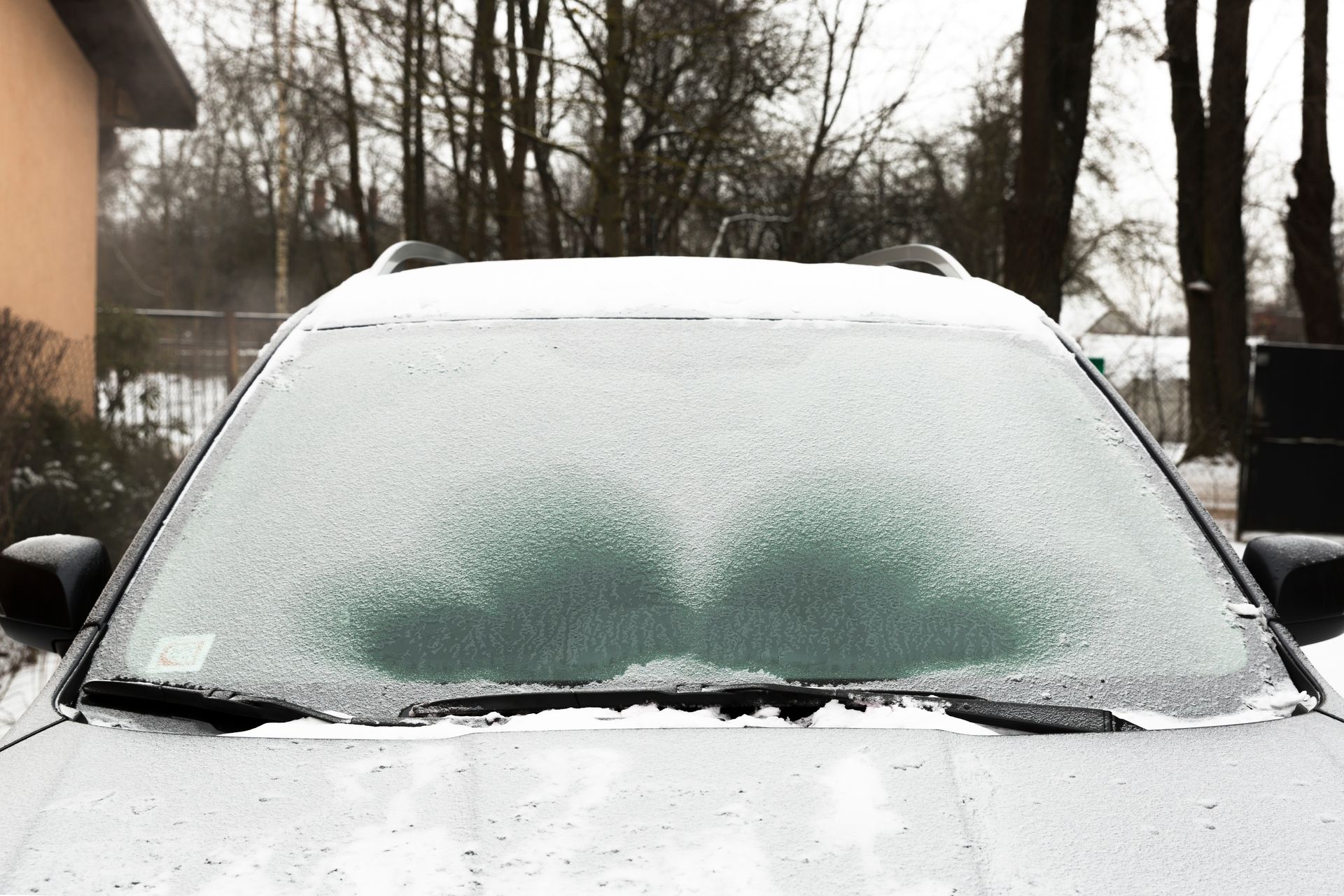
For most modern fuel-injected cars, 30 to 60 seconds is sufficient to stabilize the idle, circulate the oil, and allow the windows to clear once you switch on the defrost. After that, gentle driving brings everything to temperature faster and more evenly than idling in place. The engine, transmission, wheel bearings, and tires all warm together, and the catalytic converter lights off quickly. If the windshield remains fogged or iced, extend the idle only as long as it takes to achieve clear visibility.
When Extra Idle Time Makes Sense
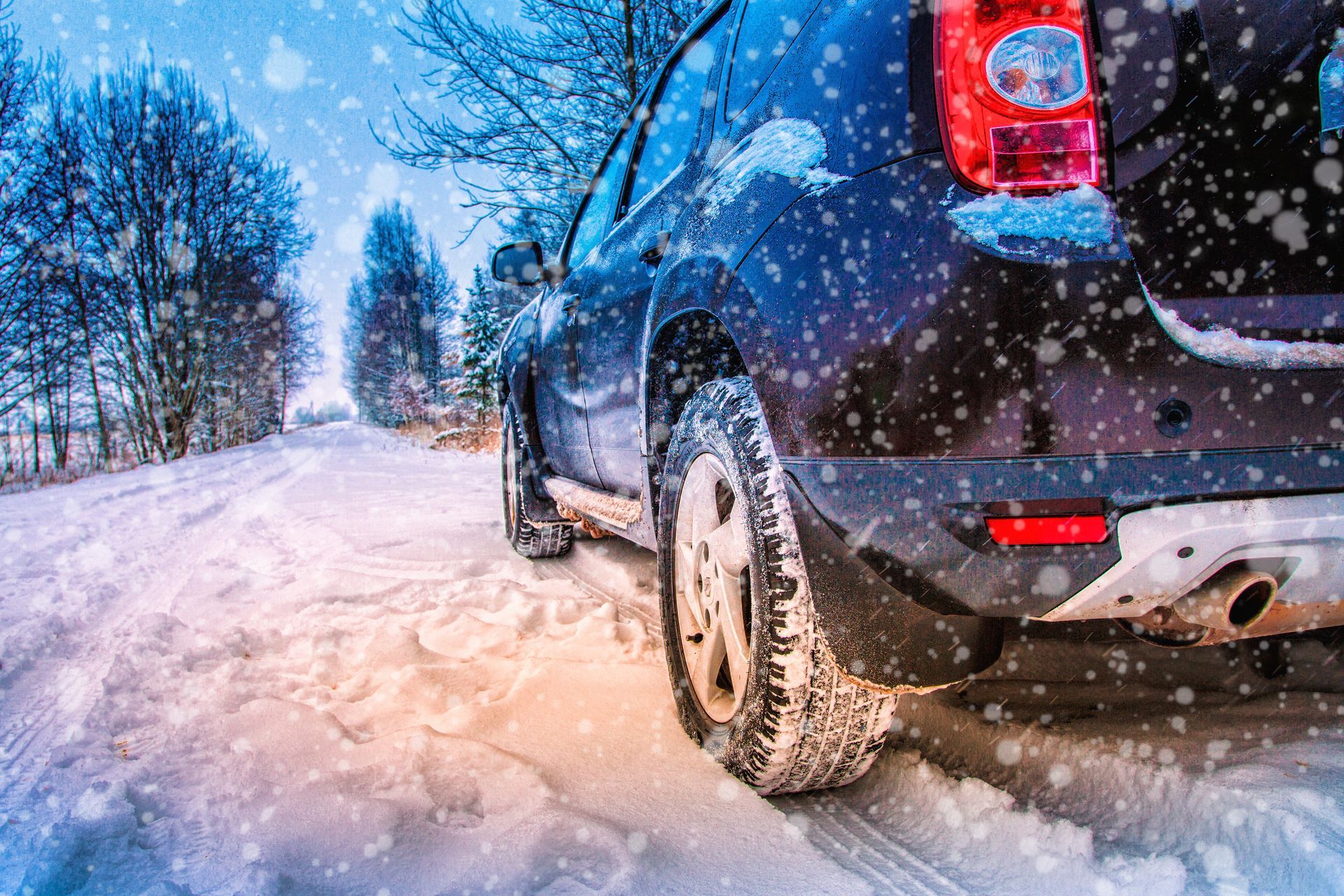
Extremely low temperatures, heavy frost, or a fully iced windshield justify a few additional minutes. Vehicles with remote starters often let you set a short runtime so you do not forget the engine is on. If the car has a turbocharger, a brief idle before setting off gives oil a moment to circulate through the turbo’s bearings, especially after a cold soak. Hybrids may manage warmup differently and switch the engine on and off as needed; that behaviour is normal.
Remote Start Tips That Protect the Engine
- Let the engine run for about a minute, then drive gently for the first few kilometres
- Use the lowest blower speed that still clears the glass, then increase as the cabin warms
- Keep revs modest until the coolant gauge begins to rise and the cabin heat stabilizes
- Turn off the remote start once you enter and switch to regular ignition so all systems wake properly
- Avoid repeated short remote starts; one controlled warmup is better than several half cycles
Visibility and Cabin Air Matter More Than a Toasty Interior
Safety starts with clear windows. Aim for fast defogging rather than a sauna. Use A/C with defrost to pull moisture out of the cabin air, and crack a window slightly if the glass fogs on the inside. If you park outside and frost is routine, keep a good ice scraper handy and replace wiper blades before winter. A few minutes of prep saves idling time and gets you rolling sooner.
Idling Rules, Theft Risk, and Carbon Monoxide Safety
Many municipalities set idling limits, and some insurance policies frown on leaving a running car unsecured. Remote starters with engine immobilizers and automatic lock can reduce risk.
Do not leave the vehicle running in an enclosed garage. Carbon monoxide can build quickly even with the door open. If you need an extended warm-up, move the vehicle outside first and keep the area around the tailpipe clear of snow.
Bottom Line: Warm Up Briefly, Then Drive Gently
Remote start is not the enemy; long, unattended idling is. Give the engine a minute, clear the glass, and let light throttle do the rest. You will reach full operating temperature sooner, burn less fuel, and reduce wear on expensive parts. If the vehicle still struggles to warm or the defrost can’t keep up, there is likely an underlying issue worth fixing before the next cold snap.
Get Professional Winter Prep in Pemberton with Silvhorn Automotive
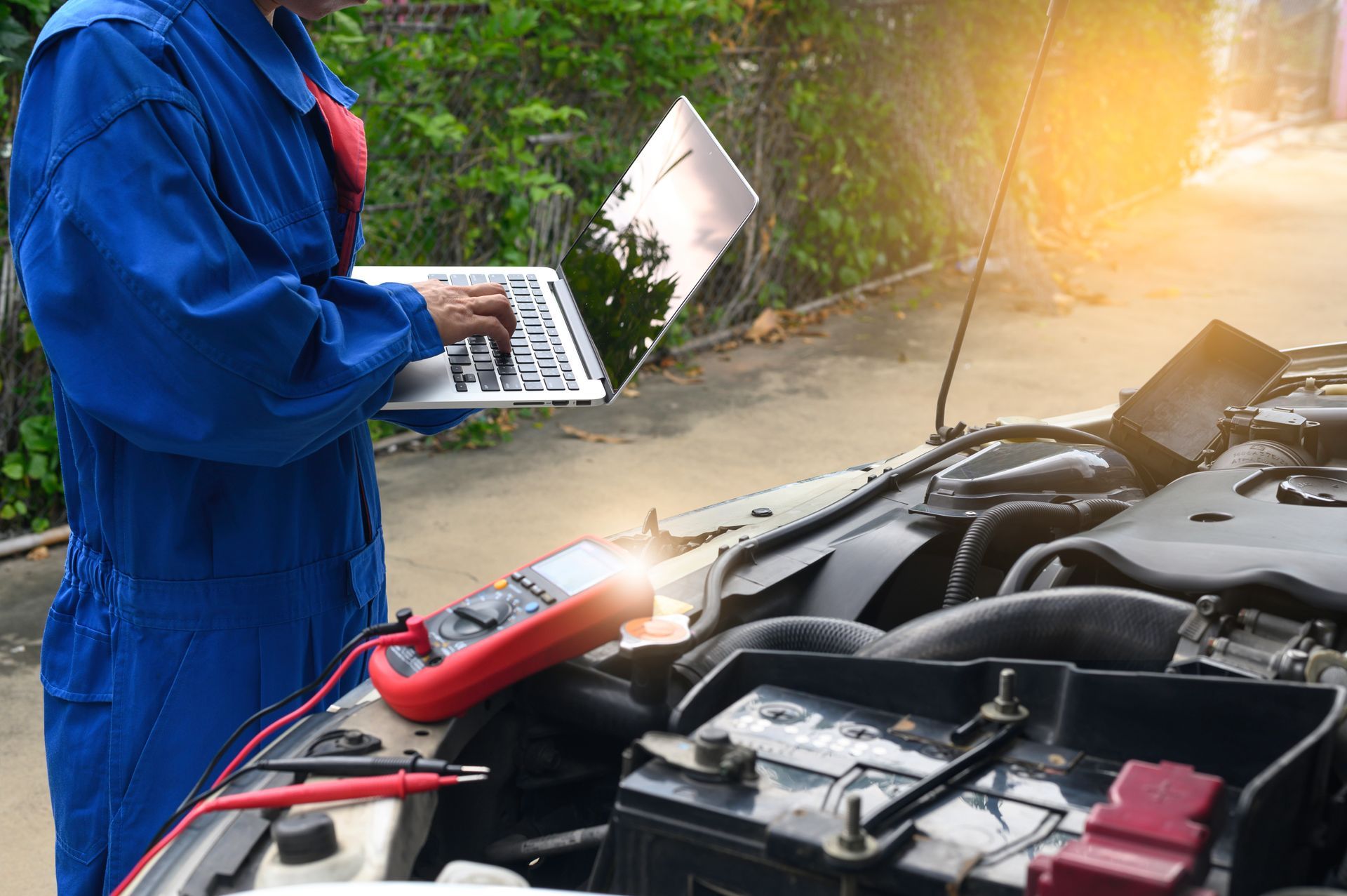
Want a car that warms fast and runs clean in winter? Visit our Pemberton shop. We will test the battery and charging system, verify coolant blend and thermostat operation, inspect the heater and defrost performance, and match the right oil to your engine.
Drive away with clear windows, reliable starts, and a warm cabin without over-idling.