A hidden oil leak will not announce itself with a puddle right away. It starts quietly. A little oil escapes from a gasket, seal, or housing, spreads across nearby parts, and burns off before it ever reaches the ground. The car still runs, the driveway stays mostly clean, and the problem slips into the background.
That is exactly why hidden oil leaks get missed for so long.
Why Oil Leaks Stay Hidden At First
Not every leak drips straight down onto the pavement. Many start higher on the engine, where escaping oil runs along covers, brackets, hoses, and engine castings before heat spreads it around. By the time it reaches the lower part of the engine, it may have already burned off, collected dirt, or coated surrounding parts enough to make the source harder to spot.
That is why a hidden oil leak needs more than a quick glance under the car. A proper inspection traces where the oil starts, not just where it ends up. Without that step, it is easy to clean up the mess while still missing the real source.
1. You Smell Burning Oil After Driving
One of the clearest warning signs is a burnt oil smell after the engine warms up. Oil leaking from the valve cover area or another upper-engine seal will often drip onto a hot exhaust component and create a sharp, oily smell that lingers after parking. In some cars, that odor even drifts into the cabin through the vents.
This sign usually appears before a large drip ever forms. Drivers notice it after highway driving, stop-and-go traffic, or climbing hills when engine temperatures stay high for longer. Once that smell becomes consistent, there is oil reaching a hot surface somewhere under the hood.
2. Your Oil Level Keeps Dropping Between Changes
A slow drop on the dipstick is one of the biggest clues that oil is leaving the engine somewhere. Many drivers first assume the engine is just using a little oil, which does happen on some vehicles. Still, when the level keeps falling, and there is no obvious smoke from the tailpipe, an external leak moves much higher on the list.
This is why paying attention helps. Topping off once may not seem serious, though repeated top-offs point to a pattern. During regular maintenance, a tech will usually spot residue, wet areas, or oil tracks that explain why the level keeps slipping.
3. Dirt And Grime Build Up In One Area
Fresh oil attracts dust and grime fast. Once it starts seeping from a gasket or seal, the area around that leak turns dark, greasy, and sticky. Underhood parts that should look dry start collecting road dirt in a single concentrated spot, creating a telltale mess even before the oil reaches the ground.
A few places tend to stand out more than others:
- Around the valve cover edge
- Near the oil filter housing
- Along the timing cover
- Around the oil pan seam
- Near the front or rear main seal area
That buildup is useful because it shows where oil has been traveling. The oldest grime is not always the active leak, though it points you toward the right section of the engine.
4. You Notice Smoke From Under The Hood
Smoke under the hood gets attention fast, and oil leaks are a common reason for it. When oil lands on a hot exhaust manifold, catalytic converter shield, or another high-heat part, it burns and creates light smoke that rises once the vehicle stops moving. This often shows up after parking, since the airflow while driving has been dispersing it.
That kind of smoke does not always mean a major leak, though it does mean the oil has reached a place it should never be. Left alone, it will keep creating odor, contamination, and growing mess around nearby wiring and rubber parts.
5. Small Spots Start Appearing After Parking
A hidden leak does not stay hidden forever. Once enough oil accumulates, you may begin seeing small spots on the driveway, garage floor, or parking space. At first, they are easy to dismiss because they are not large and do not show up every time. Then they become more frequent, especially after longer drives.
This stage usually means the leak has been active for a while. The engine may still run fine, though the risk is growing. Low oil level, softened rubber parts, burning oil smell, and contamination around belts or hoses will all get worse from here.
Why Waiting Makes The Repair Harder
Oil leaks spread. What starts at one gasket coats nearby parts, collects debris, and makes future repairs messier than they needed to be. Oil on the belts shortens belt life. Oil on rubber hoses weakens the material. Oil on hot exhaust parts creates a smell and smoke that only gets more noticeable with time.
There is another problem too. Once enough oil is lost, engine protection drops with it. That is when a leak stops being a nuisance and becomes a threat to long-term engine wear. Hidden leaks are usually much easier to deal with before they turn into a low-oil warning or a heavily contaminated engine bay.
What A Proper Check Should Include
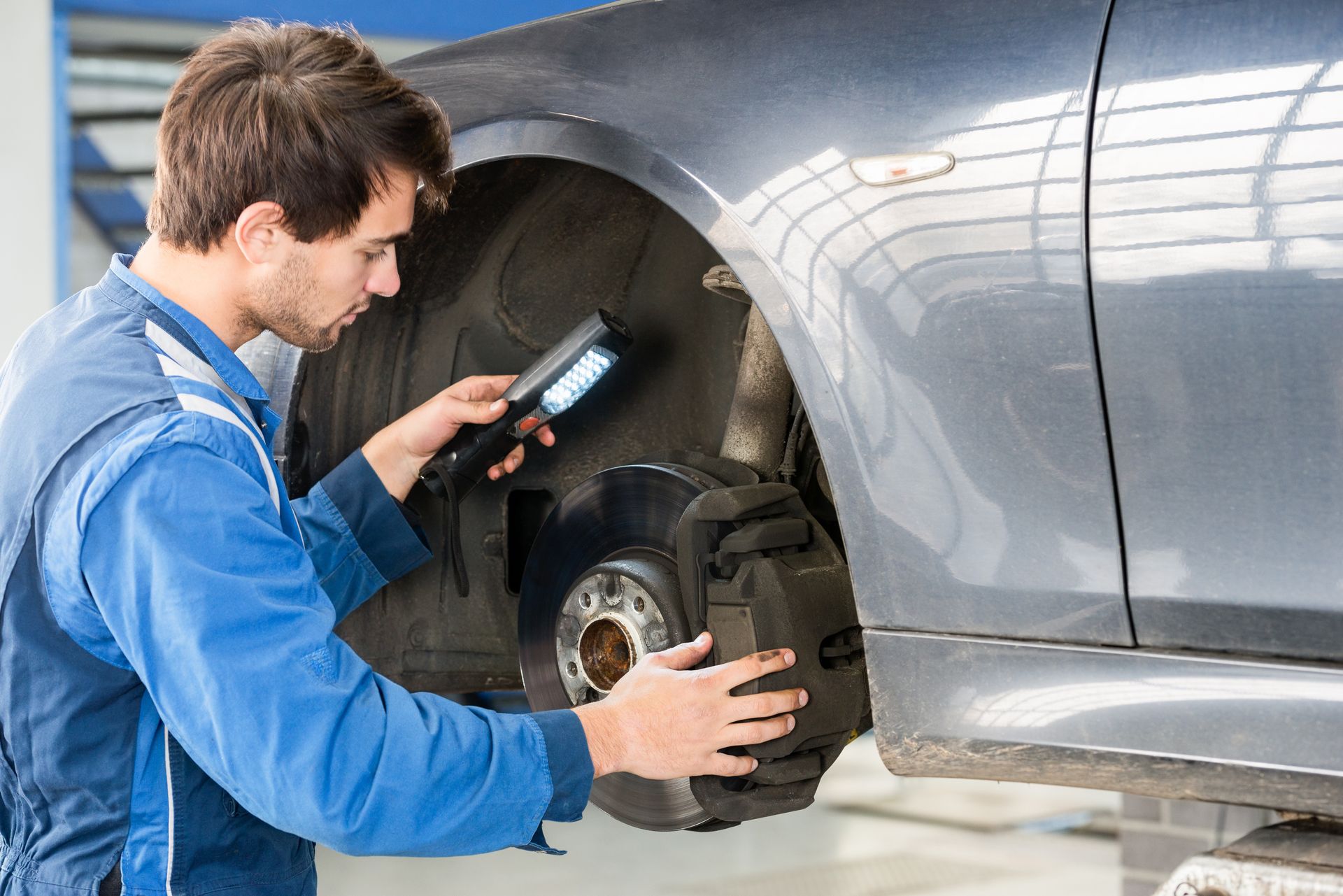
A real leak check should go beyond wiping off oily residue and guessing at the source. The engine needs to be checked from the top down, including the valve covers, oil filter housing, timing cover, oil pan, pressure sensor area, and major seals. We have seen plenty of vehicles with oil everywhere underneath, though the actual source was a much smaller leak higher up.
That step-by-step approach leads to a cleaner fix. Once the true source is confirmed, the repair stays targeted, and the engine stays protected.
Get Oil Leak Repair In Pemberton, BC With Silvhorn Automotive
If your car has a burning oil smell, unexplained oil loss, or grime building up around the engine, Silvhorn Automotive can find the source and fix it before the leak spreads further. Hidden oil leaks rarely stay hidden for long, and they are far easier to address before oil loss leads to engine wear.
Bring it in while the warning signs are still small, and the fix is still manageable.