Cold weather changes the way your car’s parts move, seal, and vibrate. Fluids thicken, rubber stiffens, and metal contracts, so parts that were quiet in mild temperatures can suddenly announce themselves. Some of these sounds are normal winter behavior, but a few are early warnings that something is worn or low on fluid.
The pattern matters more than the volume.
Cold Changes How Fluids And Metals Behave
When temperatures drop, engine oil, transmission fluid, and power steering fluid all flow more slowly at first start-up. That means parts may spend a few extra seconds without full cushioning, and you can hear brief ticking, light rattling, or a higher idle sound while everything warms. Metal components also shrink slightly in the cold, so clearances change and fasteners can creak until heat expands the parts back to their usual fit.
Rubber is the other big player. Bushings, mounts, and belts are less flexible in very cold air, so they transmit vibration instead of absorbing it. This is why a car can feel and sound harsher for the first few miles, even when nothing is actually broken, especially if it sits outside overnight.
Belt Squeal And Pulley Noise On Start-Up
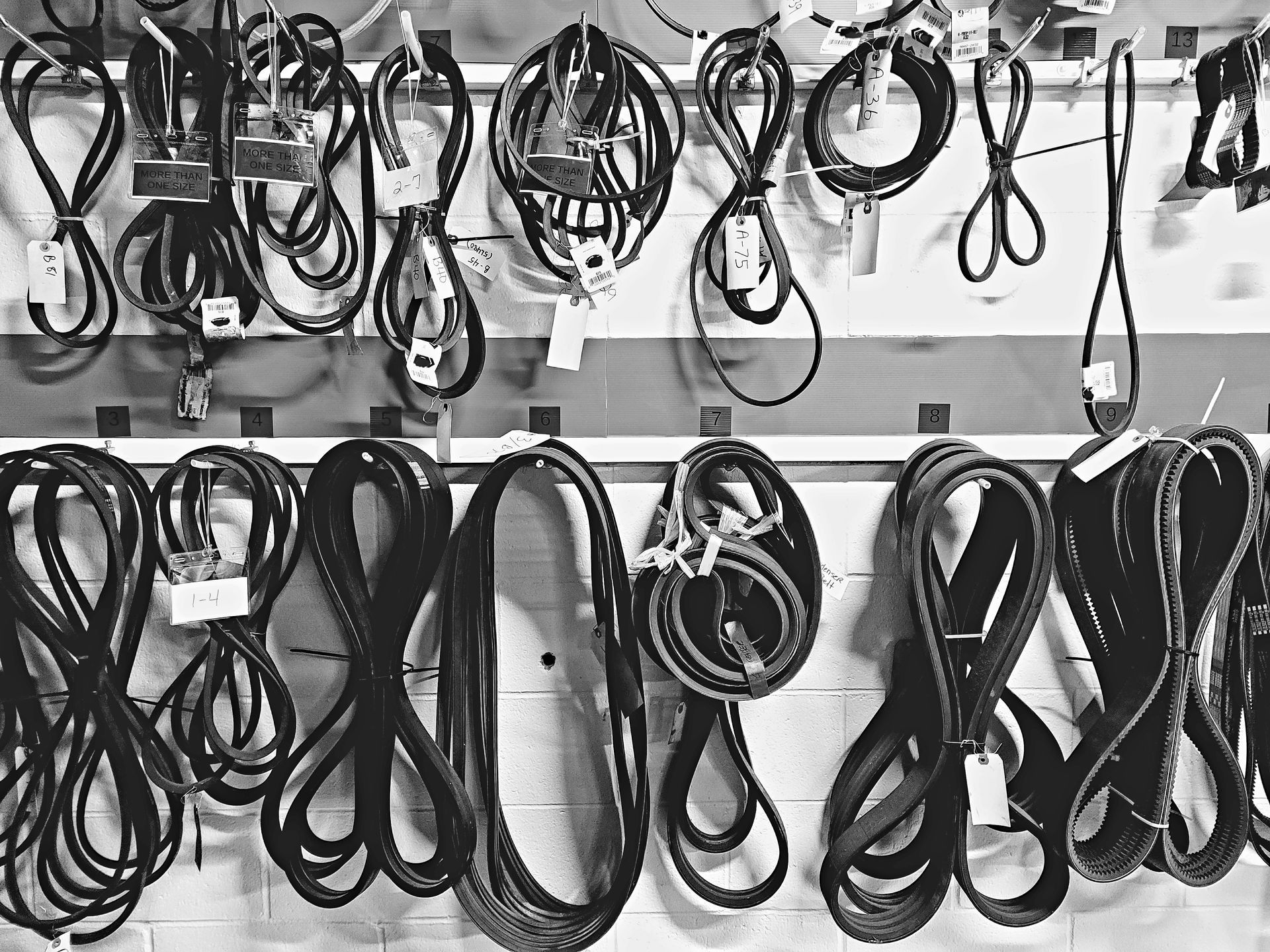
A quick squeal right after starting is often belt-related. Cold makes the belt stiffer, and if the belt is worn or the tension is marginal, it can slip briefly as the alternator and other accessories load up. That sound should fade fast as the belt warms and grips better, but repeated squealing every morning usually means the belt, tensioner, or pulleys need attention.
Pulley bearings can also show themselves in cold weather. A worn idler or tensioner bearing may produce a dry chirp or a light grinding sound that gets quieter after a minute. If the noise changes when you turn on the headlights or blower fan, that’s a clue that the accessory drive is being loaded and the belt system is reacting.
Suspension Creaks From Bushings And Struts
Cold weather makes suspension bushings stiff, and that can create creaks or groans when you pull out of a driveway or roll over speed bumps. The noise is often slow and rubbery, and it usually happens when the suspension is twisting at low speed. If it disappears after a few miles, it points toward bushings reacting to temperature rather than a hard mechanical failure.
That said, cold also exposes worn parts. A sharp clunk on bumps, a knock when turning, or a metallic tap that follows wheel movement should not be brushed off as winter noise. Those sounds often indicate play in sway bar links, ball joints, or strut mounts, and they tend to get louder over time.
Exhaust Pops, Ticks, And Rattles When Warming Up
Exhaust systems expand as they heat up, so it’s normal to hear ticking or light popping as metal warms and settles into place. You may notice it more on very cold mornings because the temperature gap between cold metal and hot exhaust gases is bigger. That sound typically fades as the engine reaches operating temperature.
Rattles are different. A loose heat shield, a weak hanger, or a worn clamp can buzz when the engine starts and the exhaust begins to vibrate. If the rattle is worse at idle and improves when you rev slightly, that often points toward a shield or mounting issue rather than something inside the engine.
Brakes And Tires That Sound Different In Winter
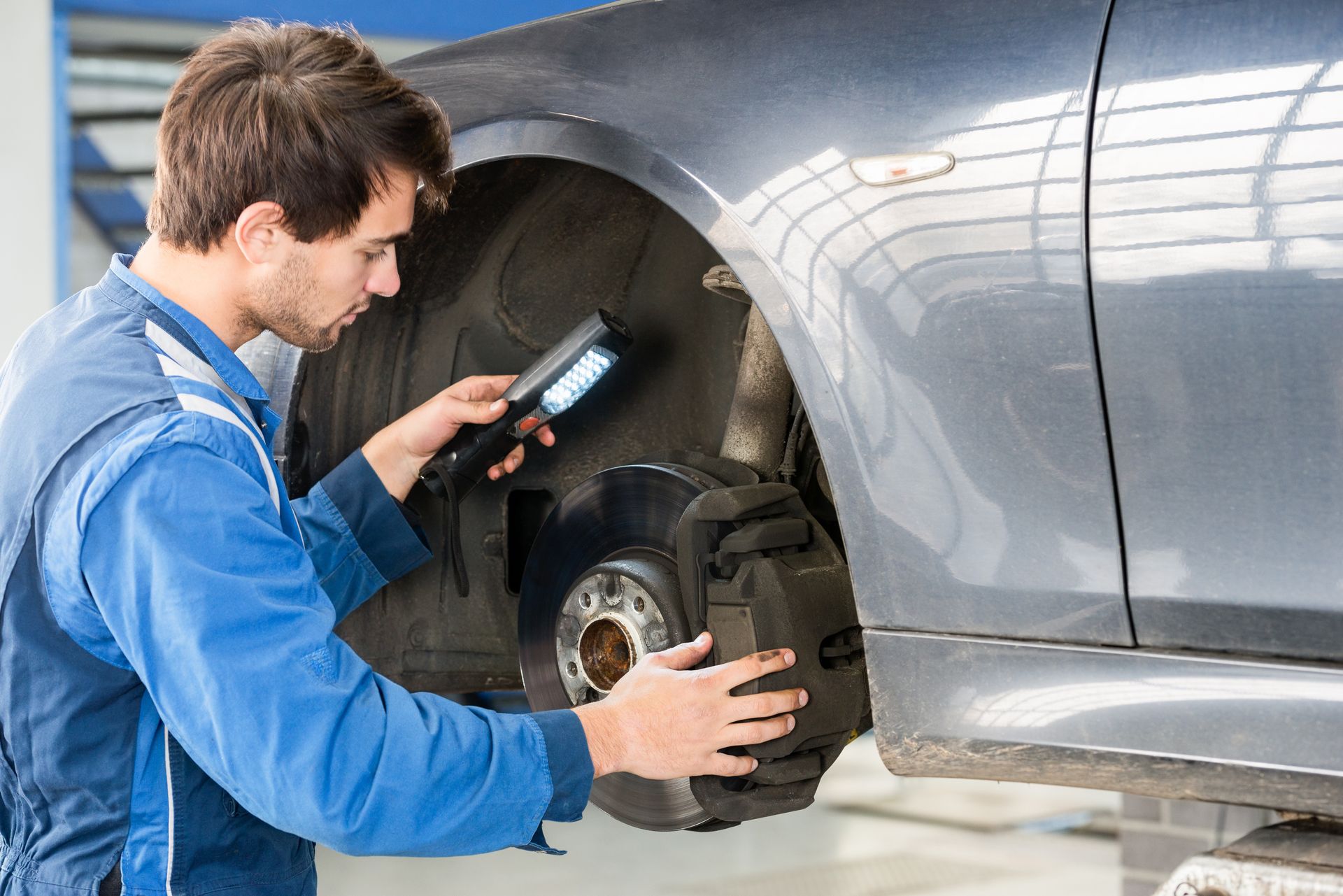
Cold can make brakes noisier even when they are in good shape. Pads and rotors may have a light film of moisture or surface rust after sitting, and the first few stops can create a scrape or squeak that goes away quickly. Winter road grit can also get between the pad and rotor, which can produce a brief grinding sound until it clears.
Tires also change their behavior when it’s cold. The rubber is firmer, and that can increase road noise and make small tread patterns sound louder on certain pavement. Keeping tires inflated to the door-jamb specification helps a lot here, and it’s a simple part of regular maintenance that improves noise, ride quality, and traction.
When A Cold-Weather Noise Needs Immediate Attention
Some sounds are harmless warm-up behavior, and others are telling you to stop guessing. If a noise is new, repeatable, and getting worse, it should be checked before it turns into a tow or a bigger repair. Cold weather also stresses batteries and charging systems, so slow cranking and clicking deserve attention right away.
Here are winter noises that should trigger a plan, not patience:
- A loud grinding while starting, especially if it happens more than once
- A deep knock that rises with RPM instead of fading as the engine warms
- A constant squeal that continues after a few minutes of driving
- A clunk or pop that repeats every time you steer or hit small bumps
- A harsh scraping that continues through multiple stops
A focused inspection is the fastest way to separate normal cold behavior from worn parts, low fluid, or a failing bearing. Bring notes on when the sound happens, how long it lasts, and whether it changes with steering, braking, or engine speed, because those details point directly to the source.
Get Cold-Weather Noise Diagnosis In Pemberton, BC With Silvhorn Automotive
If your car is making unusual sounds in the cold, the next step is pinpointing whether it’s a belt drive issue, stiff suspension components, an exhaust rattle, or something that needs attention before it worsens. Schedule service with Silvhorn Automotive in Pemberton, BC, and we’ll track down the cause and explain what it means for reliability and safety.
Let’s get it quiet and predictable again.