Summer drives have a way of making small car problems feel bigger. A weak battery, low tire pressure, poor A/C, or old coolant might not seem like much during short local trips. Add heat, traffic, hills, passengers, and a longer route, and the same small issue can interrupt the whole day.
Most summer breakdowns do not feel random once the vehicle is checked. There is usually a worn part, low fluid, a weak connection, an overdue service item, or an ignored warning sign behind the trouble. A quick inspection before a busy driving season can catch many of those issues while they are still manageable.
1. Low Or Dirty Engine Oil
Engine oil works harder during summer driving. Hot weather, longer trips, steep roads, and slow traffic all add heat to the engine. If the oil is low, dirty, overdue, or the wrong type, the engine has less protection when it needs it most.
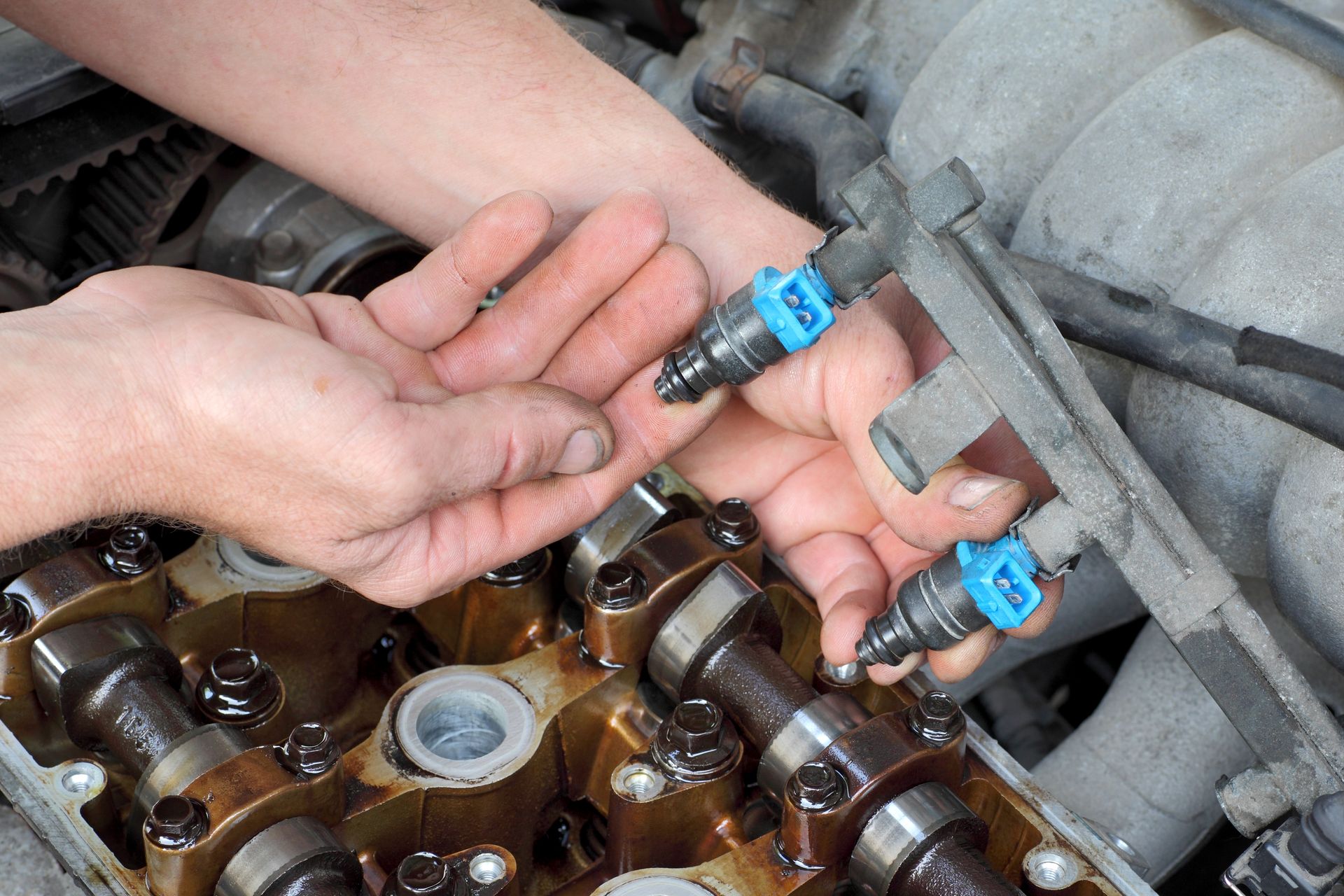
Low oil can lead to ticking noises, oil pressure warnings, higher operating temperatures, and increased wear inside the engine. Dirty oil can also affect variable valve timing systems on many modern vehicles. That can cause rough running, sluggish response, or a check engine light. A simple oil and filter service is easy to delay, but it is one of the most basic ways to protect the engine before a summer trip.
2. Weak Battery Connections
A battery problem does not always mean the battery itself is dead. Loose terminals, corrosion, damaged cables, and weak grounds can all create starting trouble. Heat can make battery problems worse by accelerating internal wear and stressing electrical connections.
A car that starts slowly in the morning, clicks once before starting, or needs a jump after sitting should be checked before a longer drive. The battery may need replacement, or the charging system may need attention. Sometimes the fix is as simple as cleaning and tightening connections, but that still needs to be confirmed before the car refuses to start in a parking lot.
3. Worn Or Underinflated Tires
Tires are easy to take for granted until the vehicle starts pulling, shaking, or feeling unstable at highway speeds. Summer heat can raise tire temperatures, and low pressure can cause the tire to flex more than it should. That extra flex creates heat, which can lead to faster wear or tire failure.
Tread depth, tire age, sidewall cracks, punctures, and uneven wear all deserve a look before a road trip. A tire can have decent tread and still be unsafe if it is old, damaged, or worn unevenly. Proper pressure also matters for braking, fuel economy, and handling. Before a summer drive, tires should be checked cold and adjusted to the vehicle’s recommended pressure.
4. Coolant Leaks Or Low Coolant
Your cooling system has to control engine temperature in traffic, on hills, and during hot afternoons. If the coolant is low, old, contaminated, or leaking, the engine can start running hot quickly. Sometimes the first clue is a sweet smell, a small crusty stain near a hose, or a coolant level that keeps dropping.
Small leaks can come from hoses, clamps, the radiator, water pump, thermostat housing, reservoir, or cap. Topping off coolant may help for the moment, but it does not fix the cause. Regular maintenance helps catch weak hoses, aging coolant, and small leaks before overheating turns a summer drive into a tow.
5. Poor A/C Performance
A/C trouble is not only about comfort. A weak A/C system can make long drives tiring, especially with passengers, pets, or stop-and-go traffic. If the air starts cool and then gets warm, only cools while driving, or has weak airflow, the system needs attention.
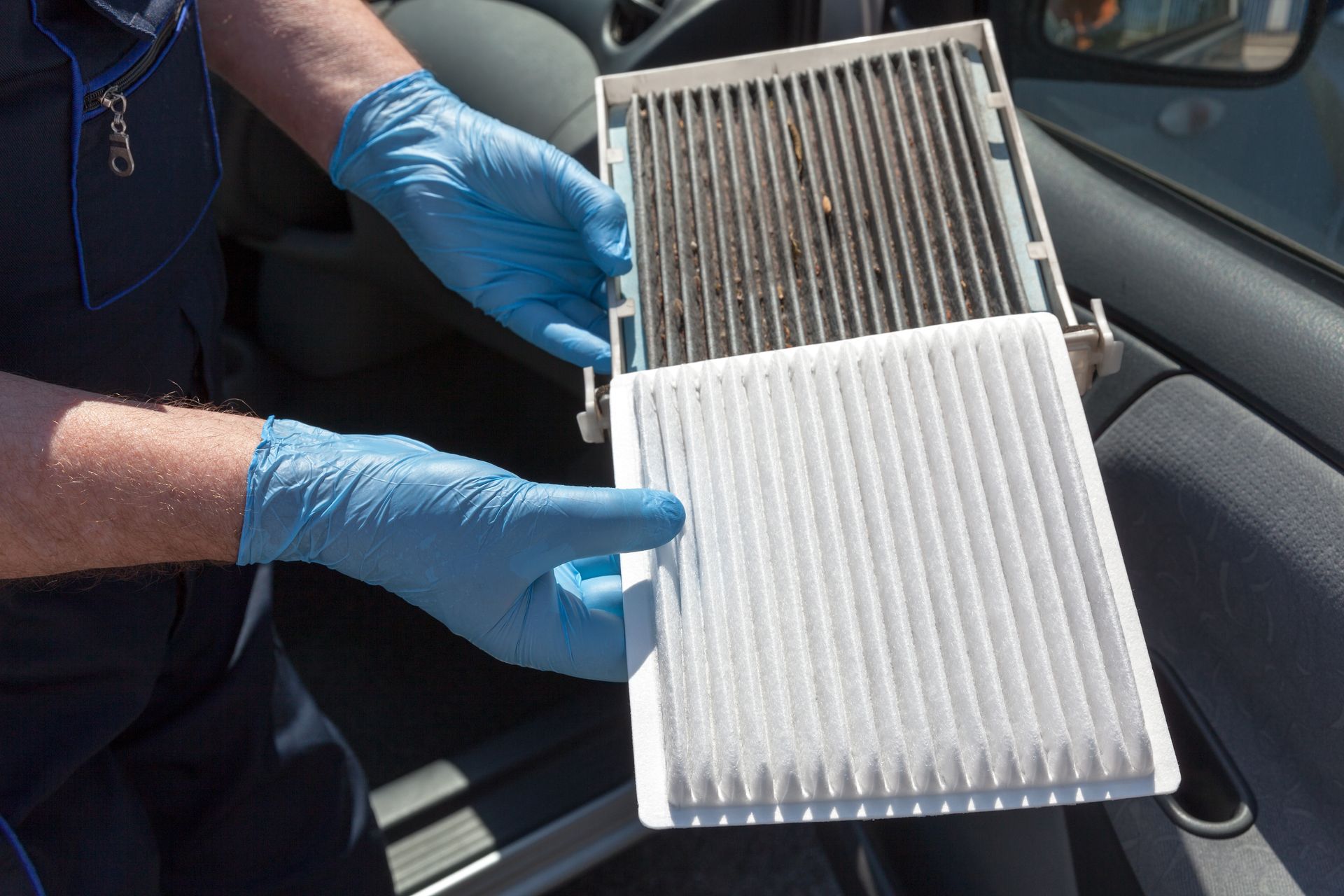
Low refrigerant, a clogged cabin air filter, a weak blower motor, a failing compressor, or an electrical issue can all affect performance. Refrigerant should not simply disappear, so low refrigerant usually means there is a leak somewhere. An A/C check can help find whether the car needs service, repair, or airflow work before the hottest days arrive.
Small Warning Signs Before A Bigger Problem
Small maintenance issues usually leave clues. The tricky part is that many drivers get used to them. A slight vibration, slower crank, faint smell, or warning light that comes and goes can start to feel normal when it happens often enough.
Before a longer summer drive, pay attention to signs like these:
- The engine cranks slower than usual
- The temperature gauge creeps higher
- The A/C takes too long to cool
- The car pulls or shakes at speed
- A warning light stays on
- You smell coolant, oil, fuel, or hot brakes
- Tires look cracked or unevenly worn
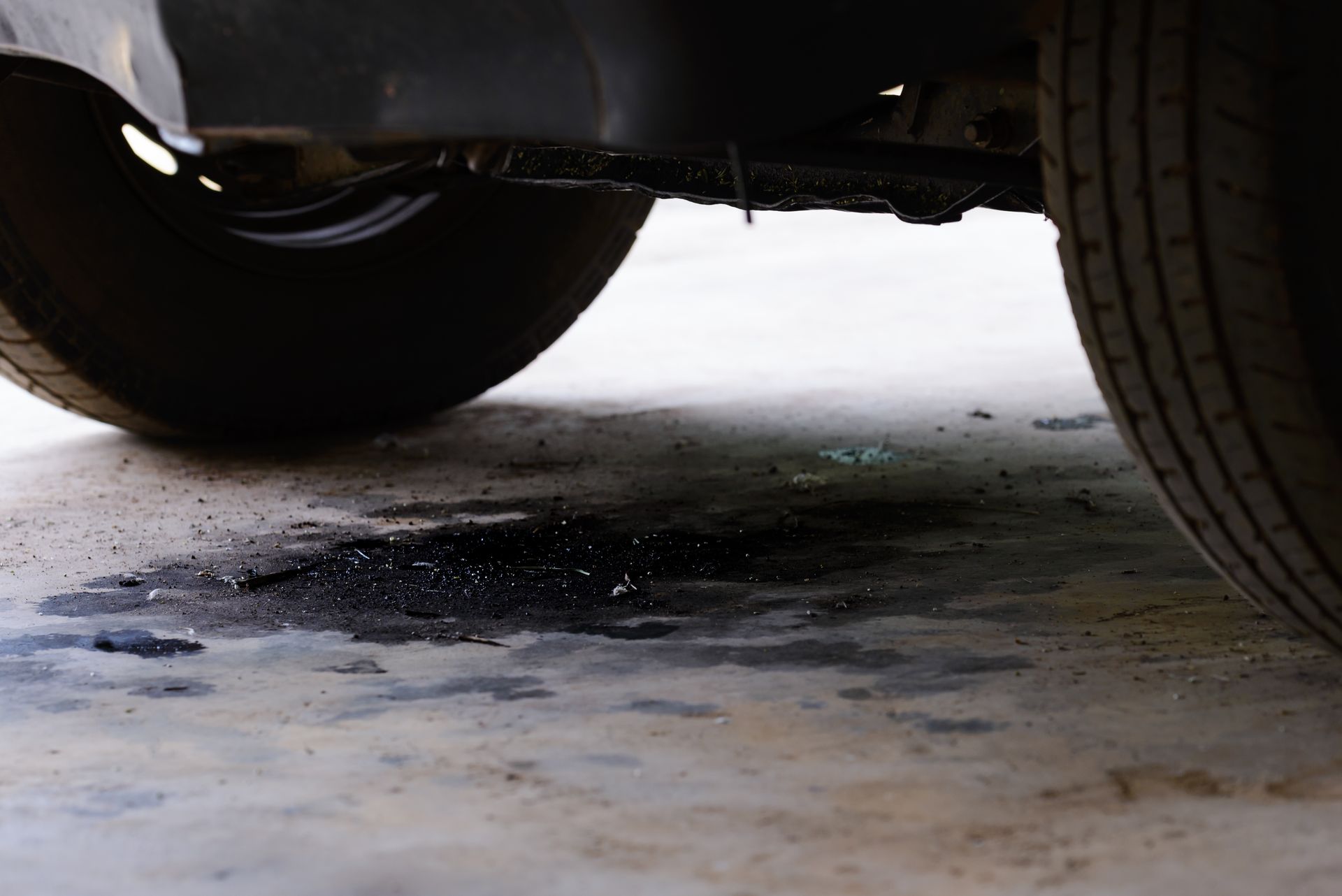
- Fluid spots appear after parking
These signs do not always mean a major repair is waiting. They do mean the vehicle should be checked before the drive, depending on it.
Why A Summer Checkup Is Worth It
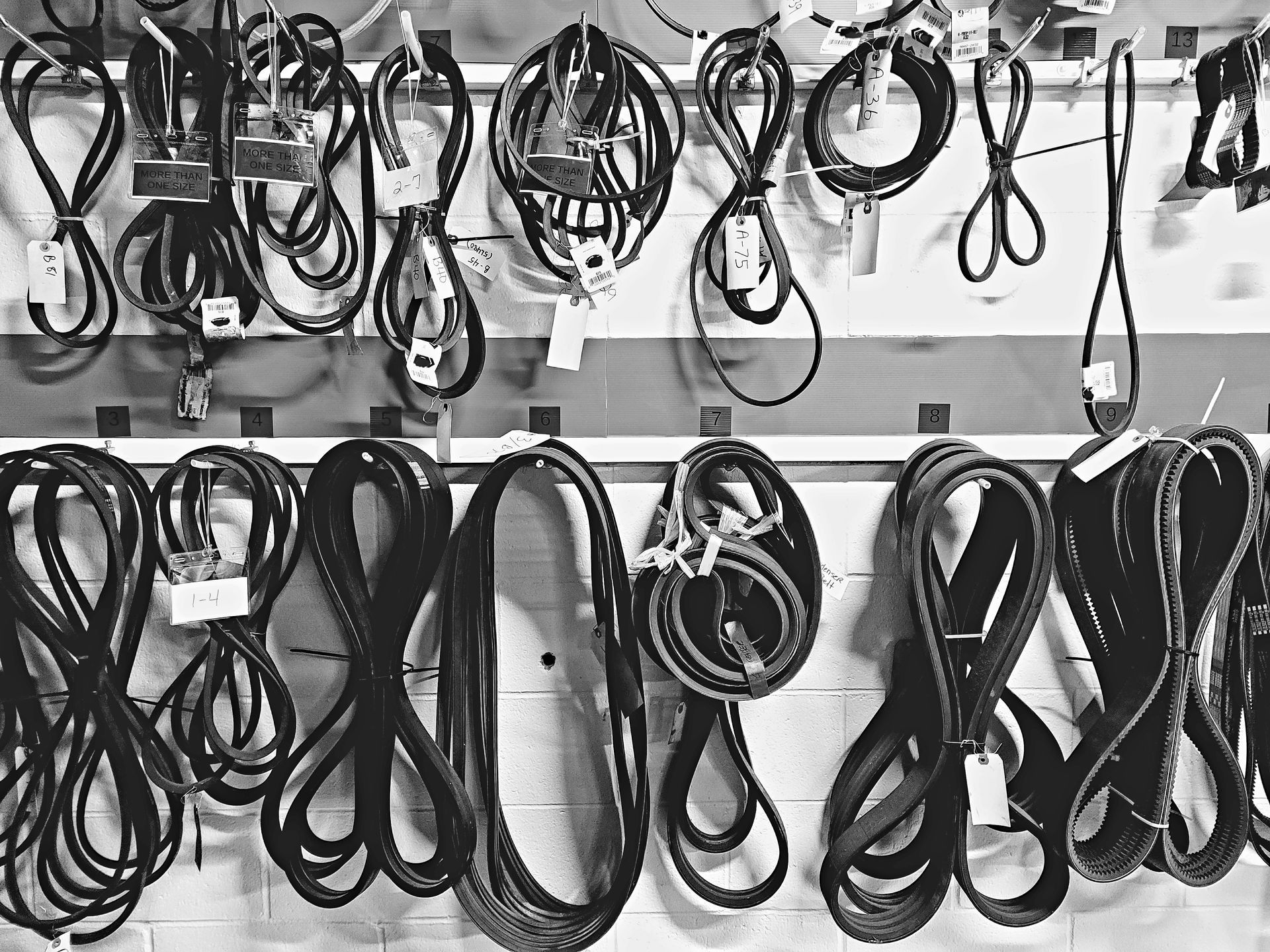
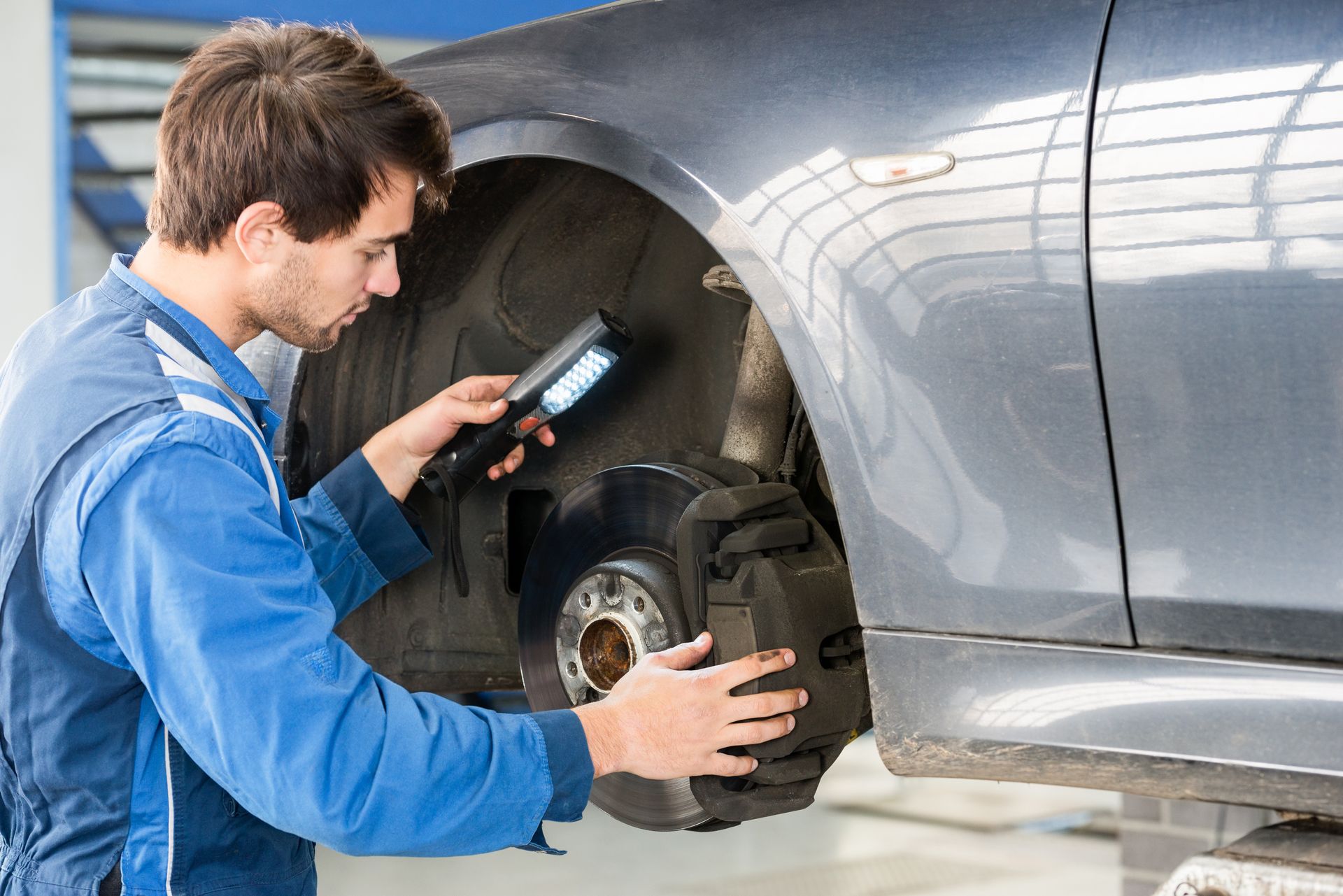
A summer checkup is not about looking for problems that are not there. It is about catching the small things that can make a good drive stressful. Oil, coolant, tires, battery health, belts, hoses, brakes, A/C, lights, and fluid levels all affect how dependable the vehicle feels once the weather warms up.
A careful inspection gives you a clearer picture before the trip starts. If something needs attention, you can handle it on your schedule rather than deal with it from the side of the road. If everything looks good, you get the kind of confidence that makes summer driving more enjoyable.
Get Summer Maintenance In Pemberton, BC, With Silvhorn Automotive
If your vehicle is due for oil service, tire checks, coolant service, battery testing, A/C service, or a seasonal inspection, Silvhorn Automotive in Pemberton, BC, can help you prepare before the next summer drive.