A misfire often feels like the engine misses a beat. The vehicle shakes at idle, hesitates when you accelerate, or loses some of the smooth pull you expect on a climb. One or more cylinders aren't contributing their normal share of power.
The repair depends on why that cylinder is struggling. A worn spark plug, air leak, injector problem, and loss of compression need different checks. At Silvhorn Automotive, we use the symptoms and engine information to find the cause before deciding which parts to replace.
Engine Misfire Symptoms at Idle and While Driving
At a stop, you might feel a repeated vibration through the seat or steering wheel. The exhaust rhythm can sound uneven, and the engine may seem close to stalling. Those symptoms become especially noticeable if the vehicle used to idle smoothly.
Other misfires appear under load. The engine runs acceptably in the driveway but stumbles when accelerating uphill or carrying passengers. Higher cylinder pressure demands more from the ignition system in a gasoline engine, making weaknesses easier to spot.
The timing helps us choose the checks. Rough running in the first minute after an overnight stop points to different conditions than hesitation after a long drive. If the complaint is intermittent, note when it happens and whether the engine is warm.
A Flashing Check Engine Light and Engine Misfires
A flashing check engine light commonly signals a misfire serious enough to threaten the catalytic converter. Fuel that fails to burn properly in the cylinder reaches the exhaust and creates excessive heat. Continued driving can turn an engine repair into an exhaust repair as well.
If the light flashes and the engine shakes or loses power, stop in a safe place and arrange help. Avoid trying to clear the symptom with hard acceleration. A steady light also needs a prompt check, with driving advice based on your manual, the symptoms, and the stored fault information.
Keep the codes stored before the appointment when possible. Clearing them removes useful operating details. A code naming a cylinder gives us a place to begin, while testing shows why that cylinder isn't working correctly.
Spark Plug and Ignition Coil Checks
In a gasoline engine, the spark plug ignites the air-fuel mixture. Its electrodes wear, and contamination or damage interferes with the spark. The ignition coil supplies the high voltage, with related boots, wiring, and connections completing the system.
We check the plug condition and the engine's service history. A plug worn beyond its interval needs a different explanation from one affected by oil or fuel contamination. Checking surrounding parts helps identify issues that could also damage a replacement.
Ignition testing follows the exact engine and complaint. Where the procedure permits, comparing components between cylinders helps show whether the fault follows a particular part. The repair still needs to address a damaged connector or oil-filled plug well if that contributed to the failure.
Air and Fuel Problems That Cause Misfires
An engine needs the correct balance of air and fuel. A leak in the intake system introduces air outside the expected path. Fuel pressure or injector problems change how much fuel reaches the cylinder.
We review operating readings and inspect the system in the conditions that produced the symptom. A problem strongest at idle suggests a different pattern from a fuel shortage during a climb. Smoke testing helps locate certain intake leaks, while fuel-system tests answer questions about pressure and delivery.
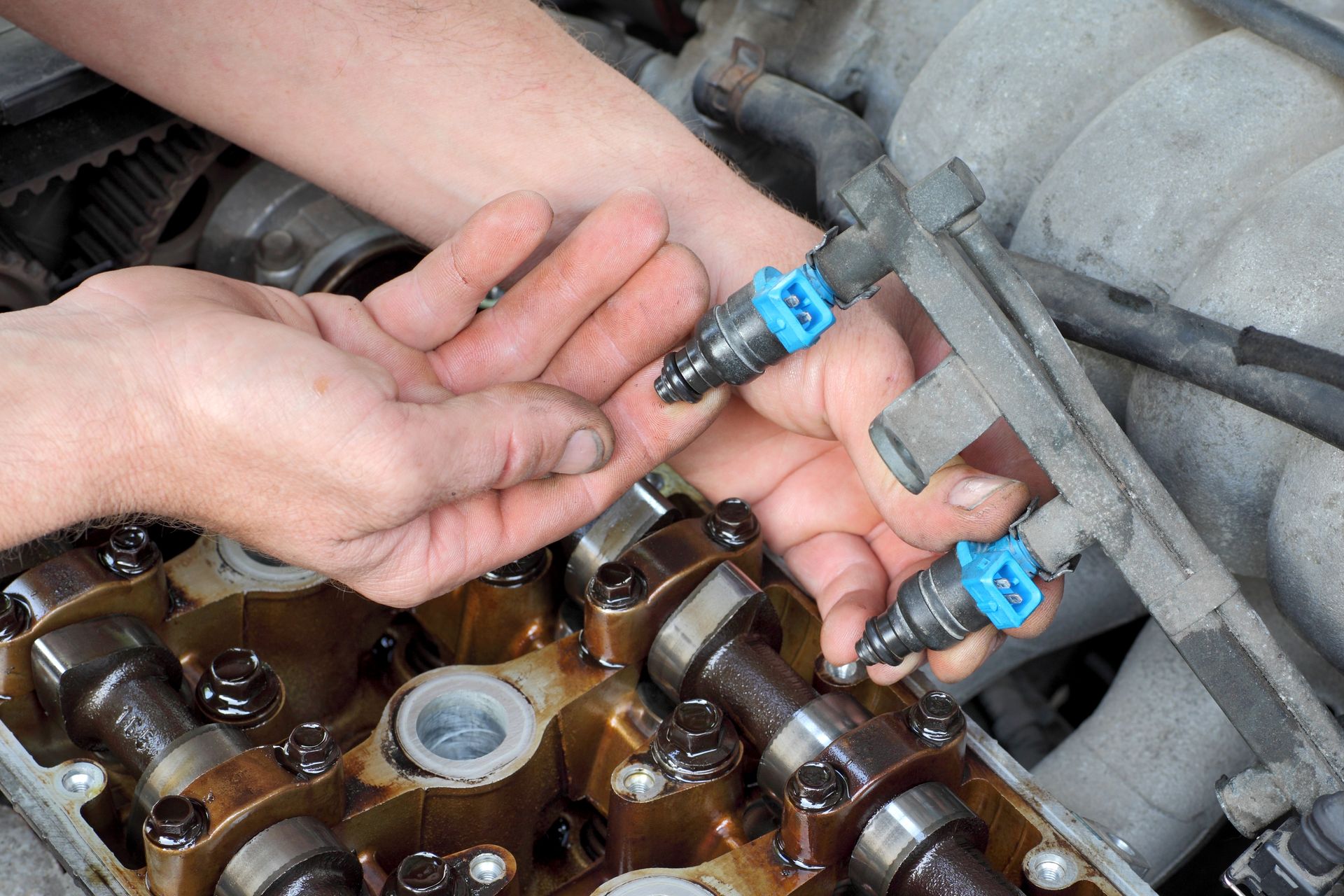
An injector-related code needs checking of both the component and its circuit. Replacing the injector while leaving a damaged wire in place won't restore proper operation. The findings should connect the recommended repair with the actual cause.
Compression and Timing Checks for Persistent Misfires
The cylinder must seal well enough to build pressure. Worn internal components, a leaking valve, or a mechanical timing problem disrupts that process even when fuel and spark are available.
Compression and cylinder leakage checks help us evaluate the mechanical condition. The exact test sequence depends on the engine and earlier findings. A persistent misfire on one cylinder deserves a broader review before repeated ignition parts are fitted.
Bring any history of overheating, timing repairs, coolant loss, or frequent oil top-offs. Those details help explain what has changed inside the engine. We discuss the results clearly before recommending substantial mechanical work.
Details That Help With Engine Misfire Testing
When you book a visit, useful observations include:
- Whether the roughness starts with a cold or warm engine
- Whether it appears at idle or during acceleration
- Whether the check engine light stays on or flashes
- Any recent refueling or engine work
- Changes in oil use, coolant level, or exhaust smoke
A short recording taken safely while parked helps describe an uneven idle. For a driving complaint, explain the route and load without trying to provoke another severe misfire. A normal climb around Pemberton is a useful reference when the problem appears only under load.
Checking the Engine After Misfire Repair
Once the cause is repaired, we check the engine again under the conditions that produced the complaint. A cold-start problem needs another cold start; hesitation under load needs an appropriate road test.
We also review the operating readings and any required follow-up checks. If the original fault damaged related components, those findings belong in the repair plan. Keeping the completed work and service information together makes a future engine concern easier to assess.
Engine Misfire Repair at Silvhorn Automotive
Silvhorn Automotive in Pemberton, BC, can review rough running, hesitation, and misfire warnings. We'll discuss when the symptoms appear, inspect the affected systems, and explain the repair your engine needs. Let us know about flashing warnings or severe shaking before driving to the appointment.
Contact
Silvhorn Automotive to arrange engine testing and address a misfire before it causes further damage.