Most drivers don’t think about engine timing until someone brings up a timing belt replacement or mentions that their engine uses a chain instead. The two parts do a similar job, but they age differently and don’t follow the same service schedule.
That difference matters because the timing system keeps the crankshaft and camshaft moving together. If that relationship gets far enough out of position, the engine can run poorly or stop altogether. On some engines, a broken belt or failed chain component can also allow internal engine parts to collide.
Timing Belts and Timing Chains Do the Same Basic Job
The crankshaft controls piston movement, while the camshaft opens and closes the engine’s valves. These parts must stay synchronized every time the engine runs. A timing belt or timing chain provides that connection.
Timing belts are reinforced rubber components with molded teeth that fit matching gears. Timing chains are metal and work more like a heavy-duty bicycle chain, though the design is far more precise. Neither one is automatically better. The engine is designed around one system, and both can provide long service when the related parts stay in good condition.
How to Find Out Which One Your Engine Uses
You can usually find the answer in the owner’s manual, maintenance schedule, or service information for the specific engine. Looking up the vehicle only by year and model isn’t always enough because the same model may have been sold with several engines.
A technician can also tell by the engine design. Timing belts are commonly hidden behind plastic or metal covers on the front or side of the engine. Chains normally run inside the engine behind sealed covers and are lubricated by engine oil. Don’t confuse either one with the serpentine belt you can often see when you open the hood. That external belt drives accessories such as the alternator and A/C compressor.
Timing Belts Have a Replacement Interval
A timing belt is one maintenance item you generally don’t want to run until it fails. Replacement intervals vary considerably. Some manufacturers specify mileage, others include a time limit, and many use both.
Age matters because belt material goes through thousands of heat cycles even on a lower-mileage vehicle. Cracks aren’t always visible without removing covers, either. A belt can look acceptable in one exposed area while the teeth or internal reinforcement are already deteriorating.
When we service a timing belt, we also inspect the tensioner, idler pulleys, seals, and water pump when the pump is belt-driven. Replacing an old belt while leaving a rough bearing or leaking pump behind can mean repeating much of the same labor later.
Timing Chains Usually Don’t Have a Routine Replacement Mileage
Timing chains are generally designed to remain in service much longer than belts. Many manufacturers don’t list a scheduled chain replacement interval at all. That doesn’t make the chain or its related hardware permanent.
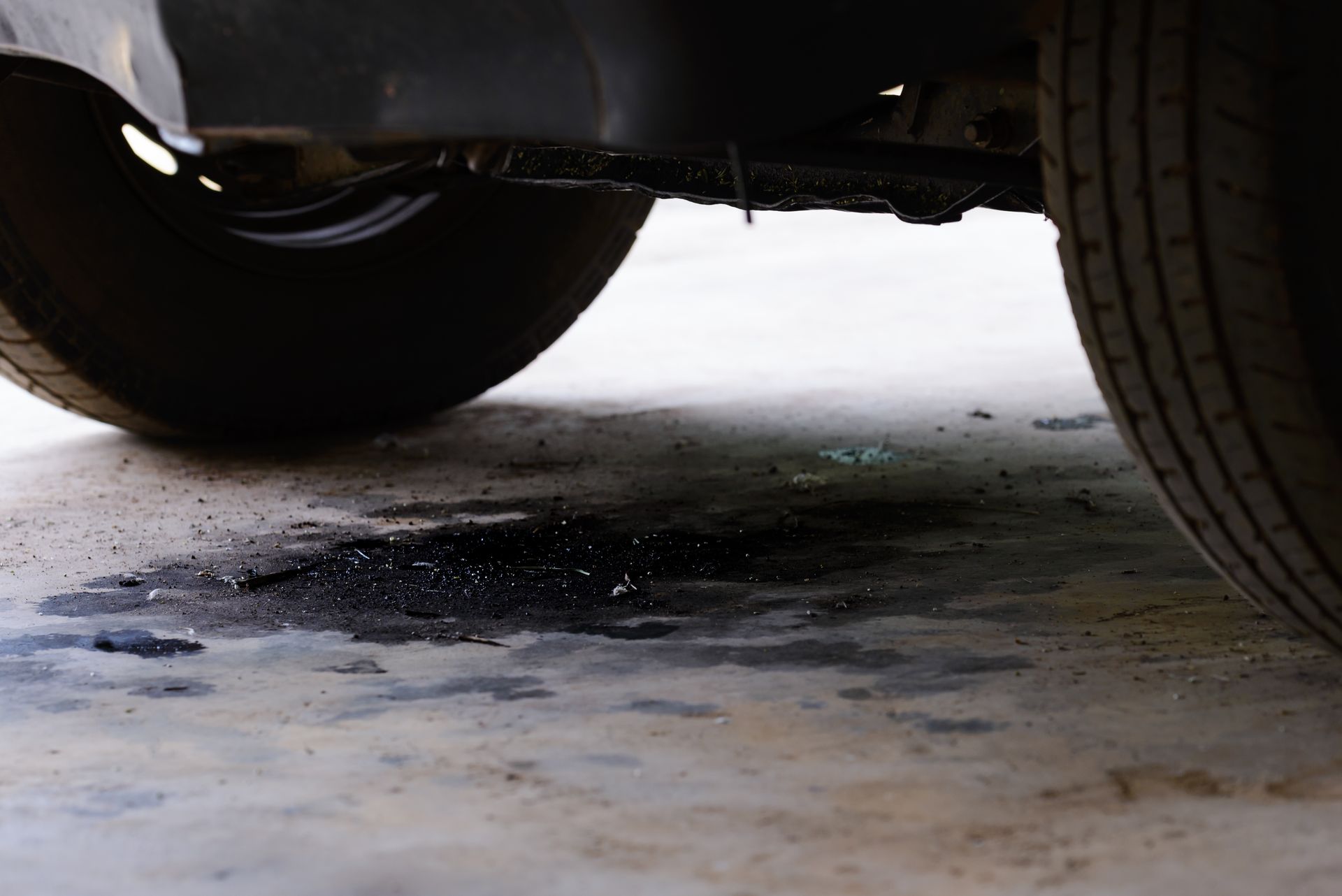
Chains depend heavily on clean engine oil and proper oil pressure. Guides, tensioners, sprockets, and variable valve timing components all work alongside the chain. If you neglect oil changes or the engine repeatedly runs low on oil, those parts can wear faster.
Regular maintenance matters on chain-driven engines because good oil service protects more than the chain itself.
What a Worn Timing Chain Can Sound Like
A timing chain problem may first show up as a rattle when the engine starts. Sometimes the noise lasts only a second or two after the vehicle sits overnight. As wear progresses, rattling may remain longer or become noticeable while the engine is running.
You might also see a check engine light, rough running, reduced power, hard starting, or camshaft and crankshaft correlation codes. None of those symptoms proves that the chain needs replacement. Low oil pressure, a bad sensor, variable valve timing problems, or a failed tensioner can create similar clues.
That’s where an inspection becomes useful. Scan data, engine timing values, oil condition, noise location, and mechanical checks can help separate a worn timing system from an electrical fault.
What Happens If a Timing Belt or Chain Fails?
The outcome depends on the engine. If the timing connection breaks or jumps far enough, the camshaft and crankshaft are no longer synchronized. The engine may stall immediately and refuse to restart.
Many modern engines are interference designs. In those engines, incorrect timing can allow pistons to contact open valves. Bent valves, damaged pistons, cylinder head repairs, and other internal damage can turn a neglected timing service into a much larger repair.
Chains can create trouble before they actually break. A worn guide can shed material, a tensioner can lose control of the chain, or the chain can stretch enough for engine timing to move outside its intended range.
Get Timing Belt And Timing Chain Service In Pemberton, BC, With Silvhorn Automotive
If you’re unsure whether your vehicle has a timing belt or timing chain, Silvhorn Automotive in Pemberton, BC, can identify the system, review its service history, and check for leaks, wear, noise, or timing-related concerns.